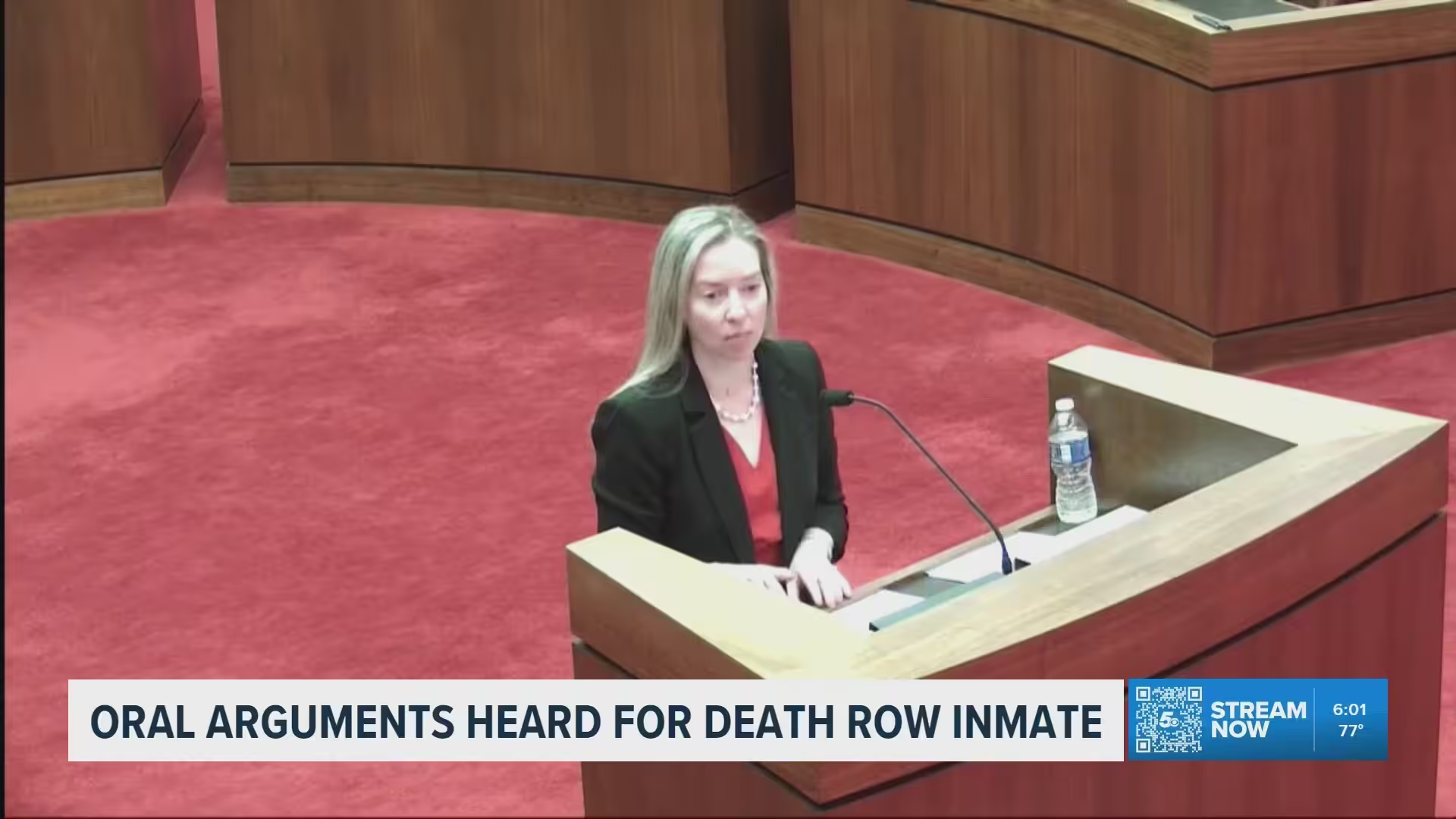
LITTLE ROCK, Arkansas — The Arkansas Supreme Court heard oral arguments this week in the case of death row inmate Zachary Holly, who is seeking to overturn his conviction in the 2012 rape and murder of 6-year-old Jersey Bridgeman.
Holly, now 41, was sentenced to death in 2015 after being found guilty of kidnapping, sexually assaulting, and killing the child in Bentonville, Arkansas. The victim had been under the care of Holly and his wife, who were neighbors, on the night of the crime.
Defense Argues Critical Evidence Was Never Presented
During Thursday’s hearing, Holly’s attorney argued that key mitigating evidence was not presented to the jury during the original trial.
The defense claims Holly suffers from Fetal Alcohol Spectrum Disorder (FASD) and endured repeated sexual abuse as a child—factors they say significantly impacted his mental development and behavior.
According to his lawyer, these details could have altered the jury’s decision:
“Had the jury heard this evidence, Zachary Holly would not be on death row,” the defense argued.
The attorney explained that FASD can impair brain development, particularly affecting judgment, impulse control, and decision-making.
Justices Question Impact of Mental Health Claims
Justices on the court challenged whether Holly’s actions reflected impaired judgment, pointing to the steps he took during the crime.
One justice noted that Holly appeared to act with awareness by removing the child quietly from her home and attempting to avoid detection—raising doubts about whether his condition affected his ability to understand right from wrong.
In response, the defense argued that Holly’s actions actually demonstrated poor planning and impulsive behavior consistent with brain impairment.
State Pushes Back Against Appeal
Prosecutors argued that Holly’s original legal team acted appropriately and that there was no substantial evidence of brain dysfunction requiring further investigation.
They emphasized the severity of the crime and maintained that the jury reached the correct verdict based on the evidence presented.
“This crime was not the result of impaired impulse control,” the state argued.
Case Background and Ongoing Legal Battle
- Crime Date: November 20, 2012
- Conviction: 2015 death sentence
- Victim: 6-year-old Jersey Bridgeman
- Location: Benton County, Arkansas
Holly has previously appealed his conviction and sought post-conviction relief, both of which were denied. This latest appeal focuses on claims of ineffective legal counsel.
The court has not yet issued a ruling, and Holly remains on death row as the legal process continues.