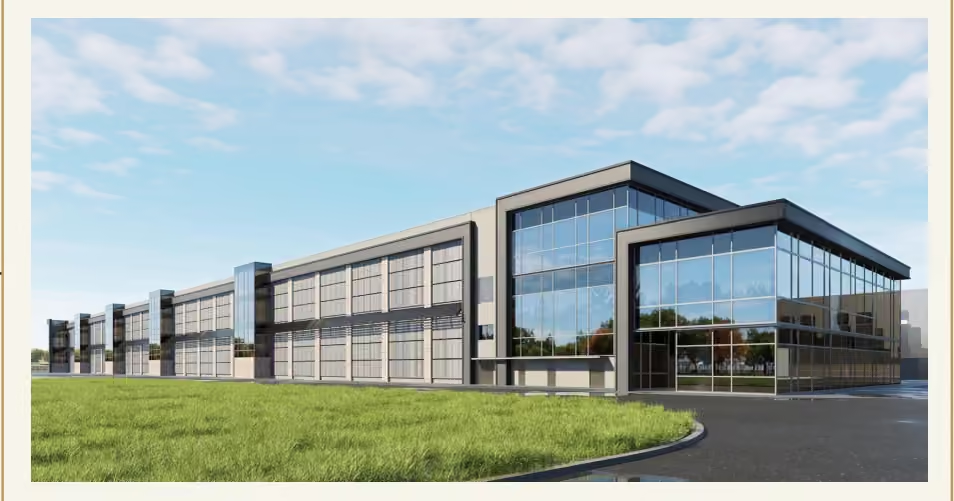
The Town Council of Westlake approved a development agreement on Thursday, allowing a long-contested data center project to move forward. The decision follows a settlement recently reached between the developer, the city of Keller, and neighboring homeowners.
The approval paves the way for construction to commence near U.S. Highway 377 and Westport Parkway, bringing an end to months of delays, legal disputes, and community opposition.
According to Westlake officials, the proposed data center will span nearly 88 acres and is projected to generate approximately $5 million in annual revenue for the town during its first decade of operation.
Keller homeowners’ concerns lead to additional protections
Earlier this month, Keller city leaders formally approved a settlement with Westlake and developer Circle T Owner LP. The agreement establishes noise restrictions, environmental safeguards, and a range of additional protections for residents in the surrounding area.
The settlement, valued at nearly $2 million, allocates $1.5 million toward noise monitoring and related programs, $300,000 to Keller Fire Rescue, and additional funds to cover legal and consulting expenses.
Residents of Keller’s Marshall Ridge neighborhood had been vocal in their opposition to the project, expressing that they were caught off guard by plans to construct the large-scale data center within a few hundred feet of their homes.
Concerns surrounding noise levels, environmental consequences, and the transparency of the approval process prompted lawsuits and a temporary court order that blocked Westlake from advancing the development agreement. That order was subsequently dissolved.
The homeowners involved also agreed to settle their respective lawsuit.
The dispute placed considerable strain on the relationship between Keller and Westlake, ultimately leading Westlake to vote against renewing its police services contract with Keller. The existing contract remains in effect through October 2028.
Under the terms of the settlement, Keller obtains contractual authority to enforce specific noise, screening, and operational requirements at the site, despite the property falling outside Keller’s municipal boundaries.
According to the City of Keller, the settlement encompasses the following provisions:
Noise Restrictions: Daytime and nighttime noise limits are established at residential property lines, accompanied by an independent baseline noise study and quarterly monitoring for three years following the commencement of operations.
Landscaping: A 10-foot landscaping berm will be installed to screen the facility from neighboring communities. Any trees that die or sustain significant damage affecting their screening capability must be replaced.
Community Funding: A $1.5 million contribution has been designated for noise monitoring, environmental mitigation, and other municipal programs and services intended to benefit Keller residents.
Fire Protection: A $300,000 contribution will be directed toward Keller Fire Rescue for training, equipment, decontamination, and emergency response costs associated with the project.
Generator Restrictions: Diesel-powered backup generators are required to meet EPA Tier 4 emissions standards, with generator testing confined to daytime hours.
Grading and Drainage: Circle T is obligated to submit the project’s grading plan, including details on the proposed berm and associated drainage improvements.
Legal Expenses: A payment of $76,000 has been designated to cover Keller’s attorney fees and expert consultant costs.
Data centers become a political issue in Texas
The Westlake dispute has emerged against a backdrop of growing resistance to artificial intelligence data centers across Texas and other states. Concerns regarding electricity costs, water consumption, and the broader impact on surrounding communities have elevated these issues into matters of political significance, including in the November 3 midterm elections.
According to Cleanview Research, 75% of data centers currently under construction in the United States and 80% of planned projects are located in predominantly Republican states.
Texas leads the nation in the number of data centers under construction. In September, Governor Greg Abbott directed state regulators to suspend environmental permits and other regulatory approvals for data center projects, pending an audit of their potential impact on the state’s electric grid.
The issue also became a focal point in the Texas gubernatorial race. Democrat Gina Hinojosa, who built her campaign around opposition to the rapid expansion of data centers, defeated Abbott in the November 3 election.
President Donald Trump has expressed support for data center development, emphasizing its significance to economic growth and national security. Nevertheless, public opposition has continued to intensify, with some Republican leaders, including Abbott, taking measures to restrict the approval of new projects.