
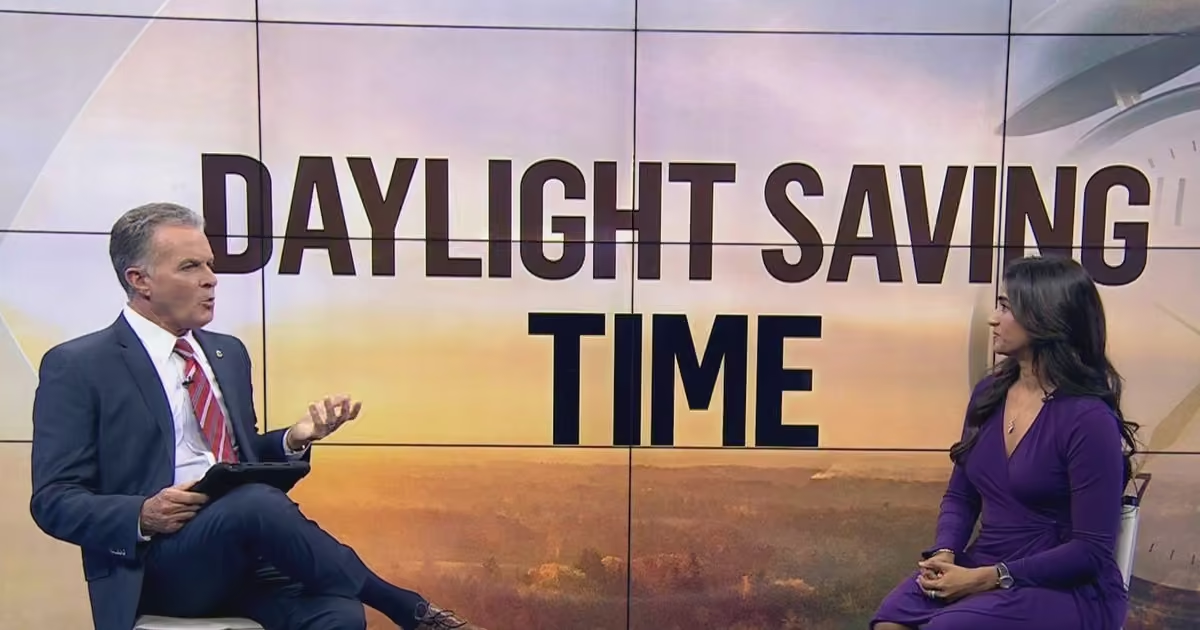
Even though clocks fall back by an hour at the end of daylight saving time, many individuals continue to experience fatigue and disruption in the days that follow. According to Dr. Deepika Kumaresan of Baylor Scott & White, this lingering tiredness is not simply a matter of losing or gaining an hour of sleep , the body’s internal clock, known as the circadian rhythm, requires time to fully adjust to the shift in light and darkness patterns.
The human body is highly sensitive to environmental cues, particularly sunlight, which plays a central role in regulating sleep and wakefulness. When the time changes, even by a single hour, it can temporarily misalign the body’s natural rhythms, making it difficult to fall asleep at the appropriate time or wake up feeling fully rested. This effect can be especially pronounced in individuals who are already prone to sleep difficulties or those who maintain irregular sleep schedules.
Dr. Kumaresan emphasizes that the transition period following the end of daylight saving time can last anywhere from a few days to over a week, depending on the individual. During this time, people may notice increased drowsiness during the day, difficulty concentrating, and changes in mood or appetite , all of which are common signs that the body is working to recalibrate itself.
To support a smoother adjustment, sleep specialists generally recommend maintaining a consistent sleep schedule, limiting exposure to bright screens before bedtime, and ensuring that the sleep environment remains dark, quiet, and comfortable. Gradual adjustments to bedtime in the days leading up to and following the time change can also help minimize the impact on overall sleep quality and daily functioning.