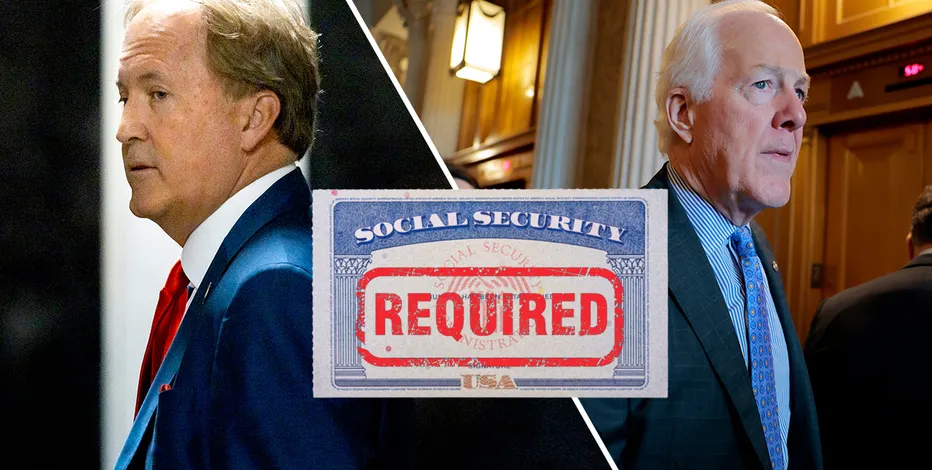
AUSTIN, Texas – A rule change approved Tuesday by a state commission will likely prevent thousands of trained workers in Texas from legally continuing their jobs.
The Texas Department of Licensing and Regulation has eliminated a long-standing provision that allowed undocumented immigrants to obtain licenses and certifications, backing a move by Texas Attorney General Ken Paxton to overturn a policy established in 2001.
TDLR passes change to license rule
What’s new:
The commission approved the rule change unanimously Tuesday morning during a meeting in Austin. Workers who do not have Social Security numbers will no longer be eligible to apply for or renew licenses for skilled professions in the state.
What’s next: The change will go into effect May 1.
The backstory:
The rule dates back to 2001, when then–Attorney General John Cornyn issued an opinion allowing undocumented immigrants to obtain occupational licenses. On Feb. 10, current Attorney General Ken Paxton — who is challenging Cornyn’s U.S. Senate seat in an upcoming runoff — issued a new opinion that requires applicants to provide Social Security numbers to receive those licenses.
What they’re saying:
“Illegal aliens who don’t belong in this country should not be rewarded for their criminal actions by receiving occupational licenses that allow them to undercut the wages of American citizens,” said Paxton. “I have rescinded John Cornyn’s legal opinion that put Texans last by rolling out the red carpet for the invasion of our State. Illegals must be rounded up and deported instead of being given licenses to steal opportunities from Americans.”
Many professions in Texas require a license, including electricians, HVAC contractors, commercial drivers, hairdressers, cosmetologists, and barbers, among others. State data indicates that roughly 18,000 licenses — about 2 percent — are not linked to a Social Security number.
Concerns about safety
Sandra Castaneda, who founded a beauty school in Texas and has worked in the industry for a decade, fears this change could ultimately make these industries more dangerous.
“When someone cannot access a license, they don’t stop working. They just work outside of the system. When that happens, the state loses control. They lose supervision and security for the consumer,” Castaneda said.
Others question why the state would choose to give up regulatory oversight of businesses that are already operating legally.
“Imagine a barber who opened a safe and inspected shop for 10 years. He pays his rent, he buys supplies from Texas businesses, he pays his taxes through his ITIN to pay his state’s sales tax every single month, the state takes his money and says thank you,” said Emily Rivera, a student at a Texas academy for licensing.