While the weather has remained relatively mild heading into fall, local law enforcement agencies, travel organizations, and automotive professionals across mid-Missouri are strongly encouraging residents to begin preparing their vehicles for the winter season ahead.
Snowy and icy road conditions may not yet be a present concern, but taking proactive measures before colder temperatures begin affecting daily commutes and long-distance winter travel is essential. Standard driving safety practices become even more critical during winter weather conditions. Drivers should ensure they consistently wear their seat belts and make a habit of keeping their fuel tanks at least half full at all times.
The following practical tips have been compiled from conversations with professionals who possess firsthand knowledge of winter road conditions and vehicle preparedness.
1: Test your car battery
Extreme cold, freezing rain, and snow are among the many ways harsh winter conditions can negatively impact vehicles each year. Regardless of the type of precipitation, winter weather can significantly impair driving ability, according to Nick Chabarria, a spokesperson for AAA.
“The No. 1 reason people call AAA for roadside assistance during the winter months are for dead or disabled batteries,” Chabarria said.
Drivers are encouraged to take advantage of free battery testing services offered at several auto parts retailers.
2: Avoid unnecessary driving
Sgt. Kyle Green of the Missouri State Highway Patrol Troop F emphasizes that his primary recommendation is to avoid traveling on winter roads whenever possible.
Where circumstances allow, drivers should postpone their trips until roads have been properly plowed and cleared by maintenance crews.
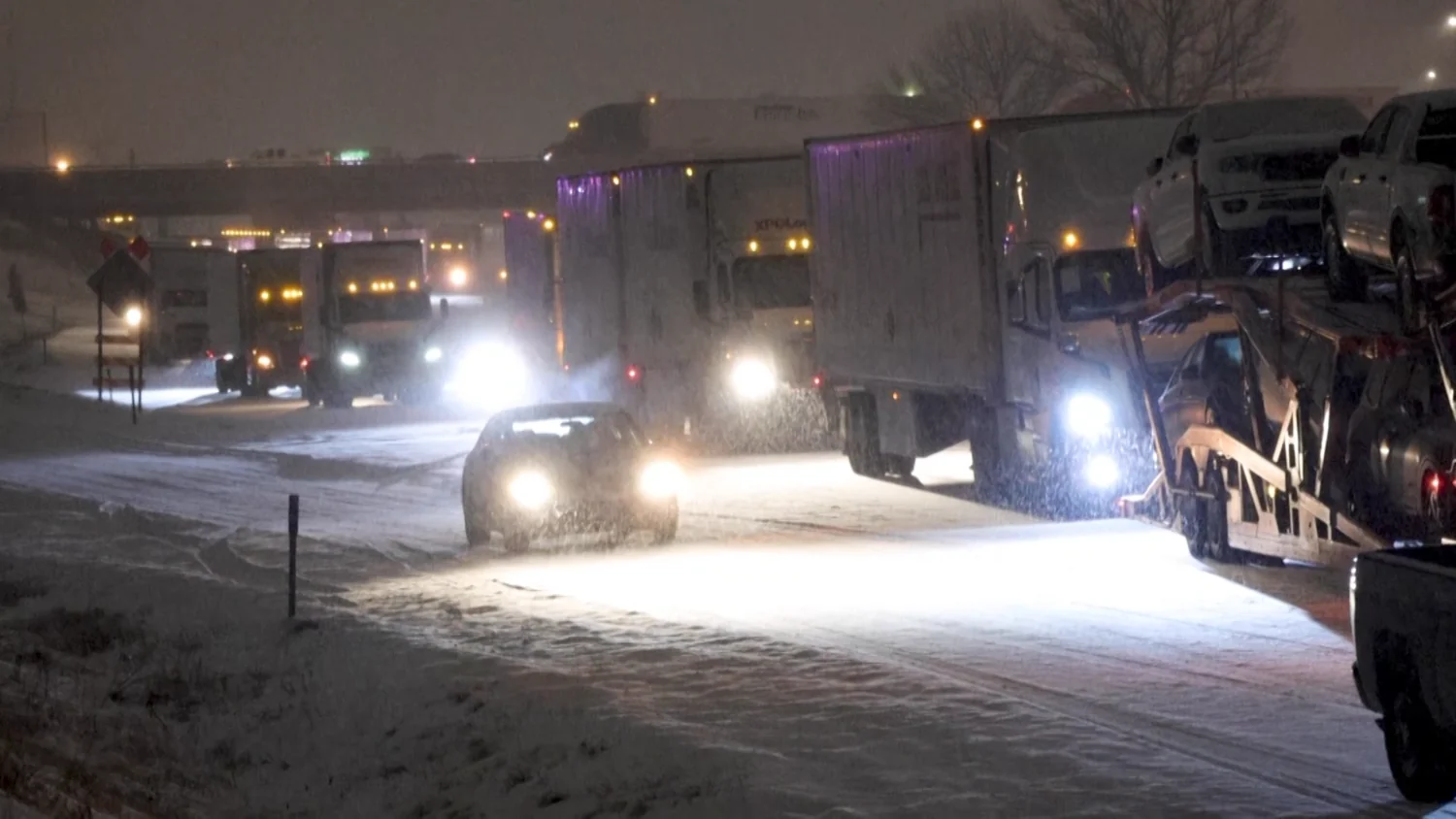
Snowy conditions significantly increase the risk of a vehicle sliding off the road, as well as the likelihood of other drivers losing control and colliding with nearby vehicles.
For those who must travel during snowy conditions, it is advisable to consult MoDOT’s Traveler Information Map for the most current updates on road conditions throughout the region.
3: Try the tire “penny test”
Monitoring tire pressure and assessing any signs of wear and tear are fundamental components of vehicle safety and maintenance, particularly in preparation for winter driving.
Ryan Reddick, who helps operate University Garage in Columbia, recommends using the widely recognized penny test as a straightforward method of evaluating tire tread depth.
“The rule of thumb is that the head of Lincoln down into the tread, and if you can still see the full head of Lincoln, you need new tires,” Reddick said. “You’re not ready for winter.”
4: Remember your fluids
Reddick advises all drivers to ensure their windshield washer fluid reservoir is completely filled before winter arrives.
“Make sure that you fill it with a winter-compatible washer fluid,” he said. “You have summer fluids that will freeze, and that’s not good. There is a winter formula that you want to get.”
Reddick further noted that drivers should replenish their antifreeze using the same type of fluid that was originally used in their vehicle, rather than substituting an incompatible alternative.
5: Plan for scraping and defrosting
The arrival of winter weather necessitates a change in morning routines, particularly for those who are accustomed to rushing out the door.
While no specific law against improper or insufficient windshield scraping was identified, Sgt. Green strongly advises drivers to fully clear all car windows before operating their vehicle. Other existing state laws may still provide officers with sufficient grounds to stop drivers who have only cleared a minimal opening in an otherwise snow or ice-covered windshield. Drivers should also remember to brush accumulated snow from the tops of their vehicles before setting off.
Sgt. Green noted that snow dislodged from moving vehicles can obstruct the visibility of trailing drivers, while loose ice poses a risk of causing damage to other vehicles on the road.
Maintaining clear passenger windows and side-view mirrors is equally important, as these surfaces are critical to ensuring adequate visibility while driving in winter conditions.
6: Slow down
Sgt. Green indicated that more than 90% of winter crashes his troopers respond to each season “involve a driver that was going a speed too fast for the conditions.”
In situations involving black ice or snow-covered roadways, the posted speed limit may still be too high for safe travel. Drivers must continuously adjust their speed to reflect actual road conditions rather than relying solely on posted limits.
Because vehicle control is significantly reduced on slick surfaces, drivers should also increase the following distance between themselves and the vehicle ahead, allowing sufficient time and space to come to a complete stop safely.
7: Prepare an emergency kit
After consulting with multiple experts, the most commonly recommended items for drivers to keep in their vehicles during winter months include the following:
- Ice scraper, snow brush, and shovel
- Jumper cables
- Blankets and sleeping bags
- Extra mittens, socks, and a winter hat
- Flashlight
- Batteries
- First-aid kit
- Sand or cat litter, which can be used to provide traction if a vehicle becomes stuck
- Cellphone adapter and charger
- Drinking water
- High-calorie, non-perishable food items
These recommendations serve as a solid foundation for families preparing their emergency kits, though additional items tailored to individual comfort and safety needs should be included as appropriate.
8: Stay in your car for some crashes
Exiting a vehicle immediately following a crash can be dangerous under certain circumstances, Sgt. Green cautioned.
Whenever possible, drivers and passengers involved in winter incidents should attempt to move their vehicle to the side of the road, into a nearby parking lot, or onto a driveway to avoid obstructing traffic.
If the vehicle remains near an active roadway, hazard lights should be activated and the interior overhead light turned on to alert other drivers to the stopped vehicle’s presence.
For those who remain inside an idling vehicle, it is critical to ensure that the exhaust pipe is kept clear of snow accumulation. A blocked exhaust pipe can allow deadly carbon monoxide gas to seep into the vehicle’s interior while the engine continues to run, posing a serious and potentially fatal risk to all occupants.