A Pennsylvania court has sentenced two teenagers to probation after they used artificial intelligence to generate hundreds of fake explicit images of their classmates, leaving dozens of victims emotionally traumatized and sparking renewed debate over the dangers of deepfake technology.
AI-Generated Images Targeted Dozens of Students
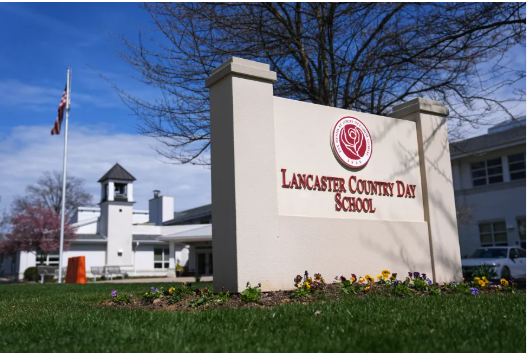
The incident took place at Lancaster Country Day School in Lancaster, Pennsylvania, where two boys—both 14 at the time—admitted to creating approximately 350 manipulated images.
Authorities revealed that:
- At least 59 girls under the age of 18 were targeted
- Images were sourced from yearbooks, school photos, Instagram, TikTok, and FaceTime chats
- The photos were digitally altered using AI to depict nudity or sexual content
The acts occurred between 2023 and 2024, according to investigators.
Victims Describe Emotional Trauma in Court
In a rare move, the juvenile court proceedings were opened to the public, allowing victims and families to share their experiences directly before Judge Leonard Brown.
Dozens of students described the lasting emotional impact, including:
- Anxiety and panic attacks
- Loss of trust in peers
- Difficulty concentrating in school
- Fear that the images could resurface in the future
One victim told the court the incident had “destroyed my innocence,” while others described needing therapy and even transferring schools to cope with the trauma.
Court Hands Down Probation Sentence
Despite the severity of the case, the two teenagers were sentenced to:
- Probation
- 60 hours of community service each
- A strict no-contact order with victims
- Payment of restitution (amount undisclosed)
Judge Brown emphasized that the outcome would likely have been far harsher if the defendants were adults, potentially resulting in prison time.
The court also noted that the case could be expunged after two years, provided the teens avoid further legal trouble.
Legal and Ethical Questions Around AI Deepfakes
The case highlights growing concerns about the misuse of AI tools to create deepfake content, particularly involving minors.
Legal experts say the rapid advancement of artificial intelligence has outpaced existing laws, although efforts are underway to address the issue. Notably, Donald Trump signed the Take it Down Act, which:
- Criminalizes the sharing of non-consensual intimate images, including deepfakes
- Requires platforms to remove such content within 48 hours of notification
Currently, 46 U.S. states have enacted laws targeting deepfake abuse, with additional legislation under consideration elsewhere.
Potential Civil Action and Wider Impact
Attorney Nadeem Bezar, representing several victims, indicated that civil lawsuits may follow, potentially targeting the school and other parties.
The scandal has already triggered:
- A student protest
- Leadership changes at the school
- Broader community outrage
Legal proceedings are expected to further examine how the images were created, distributed, and whether institutional oversight failed.
Growing National Concern Over AI Misuse
This case comes amid a surge in similar incidents nationwide, including lawsuits involving AI-generated explicit content created without consent.
Experts warn that as AI tools become more accessible, cases like this could become more common unless stricter safeguards, education, and enforcement measures are implemented.