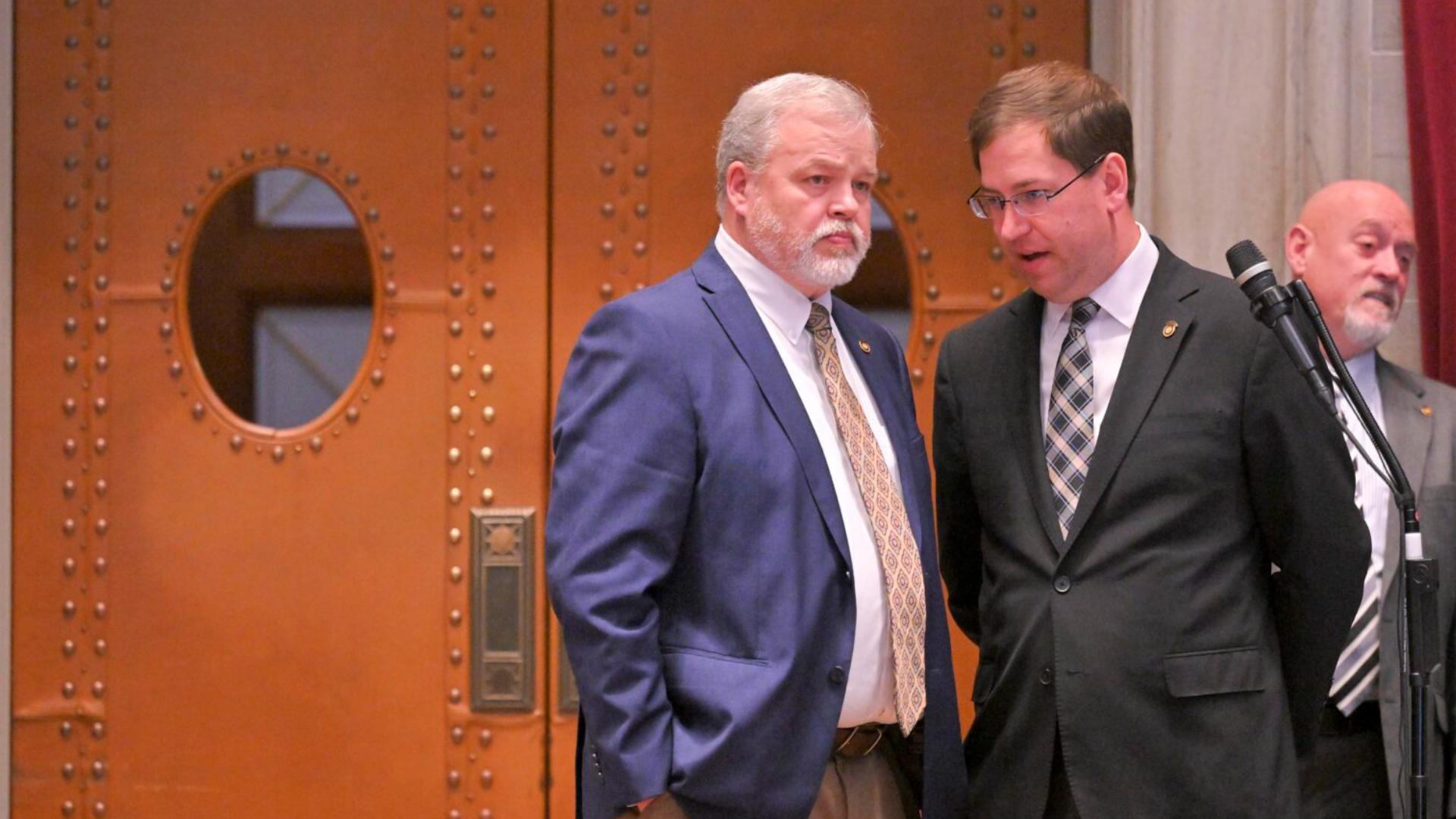
A proposal to embed Medicaid work requirements into the Missouri Constitution is drawing significant criticism from healthcare advocates, caregivers, and policy experts who warn it could lead to coverage losses for vulnerable residents.
The measure, introduced by Darin Chappell, would ask voters to approve a constitutional amendment in November. The plan is intended to ensure long-term enforcement of work requirements, even if federal policies change in the future.
Under a federal law set to take effect in 2027, many Medicaid recipients between ages 19 and 64 will need to prove they are working, studying, or volunteering at least 80 hours per month to maintain coverage. States will also be required to verify eligibility more frequently.
Supporters argue the amendment would help control costs and protect funding for the most vulnerable populations. However, critics say the proposal could go beyond federal requirements and limit the state’s flexibility to offer exemptions.
Advocates highlighted concerns that the measure could make it harder for individuals dealing with illness, disability, or caregiving responsibilities to maintain coverage. Data shows that the vast majority of adults in this group are already working or unable to do so due to valid reasons such as health conditions or family care duties.
Organizations including the American Cancer Society and AARP warned that unclear definitions—such as who qualifies as “medically frail”—could leave patients undergoing treatment at risk of losing healthcare access.
Critics also raised concerns about restrictions on hardship exemptions. While federal rules allow temporary exemptions for situations like hospitalization or emergencies, the proposed amendment could prevent the state from offering additional flexibility unless explicitly approved by law.
Caregivers were another major focus of the debate. While federal law includes exemptions for certain caregivers, advocates worry the amendment’s language could exclude some individuals or make it harder to verify eligibility without additional documentation.
Even supporters of the proposal have expressed openness to revisions. Chappell indicated he would consider allowing caregiving hours to count toward work requirements, a change that could address some concerns.
Opponents also warned that increased administrative requirements—such as more frequent eligibility checks and complex paperwork—could result in people losing coverage due to technical issues rather than ineligibility.
Lawmakers are expected to continue debating the proposal as federal guidance on Medicaid work requirements is still being finalized.