Lawmakers in Missouri have approved new legislation aimed at improving health outcomes by providing Medicaid recipients with access to nutritious food and dietary support.
Bipartisan Support for Nutrition-Focused Healthcare
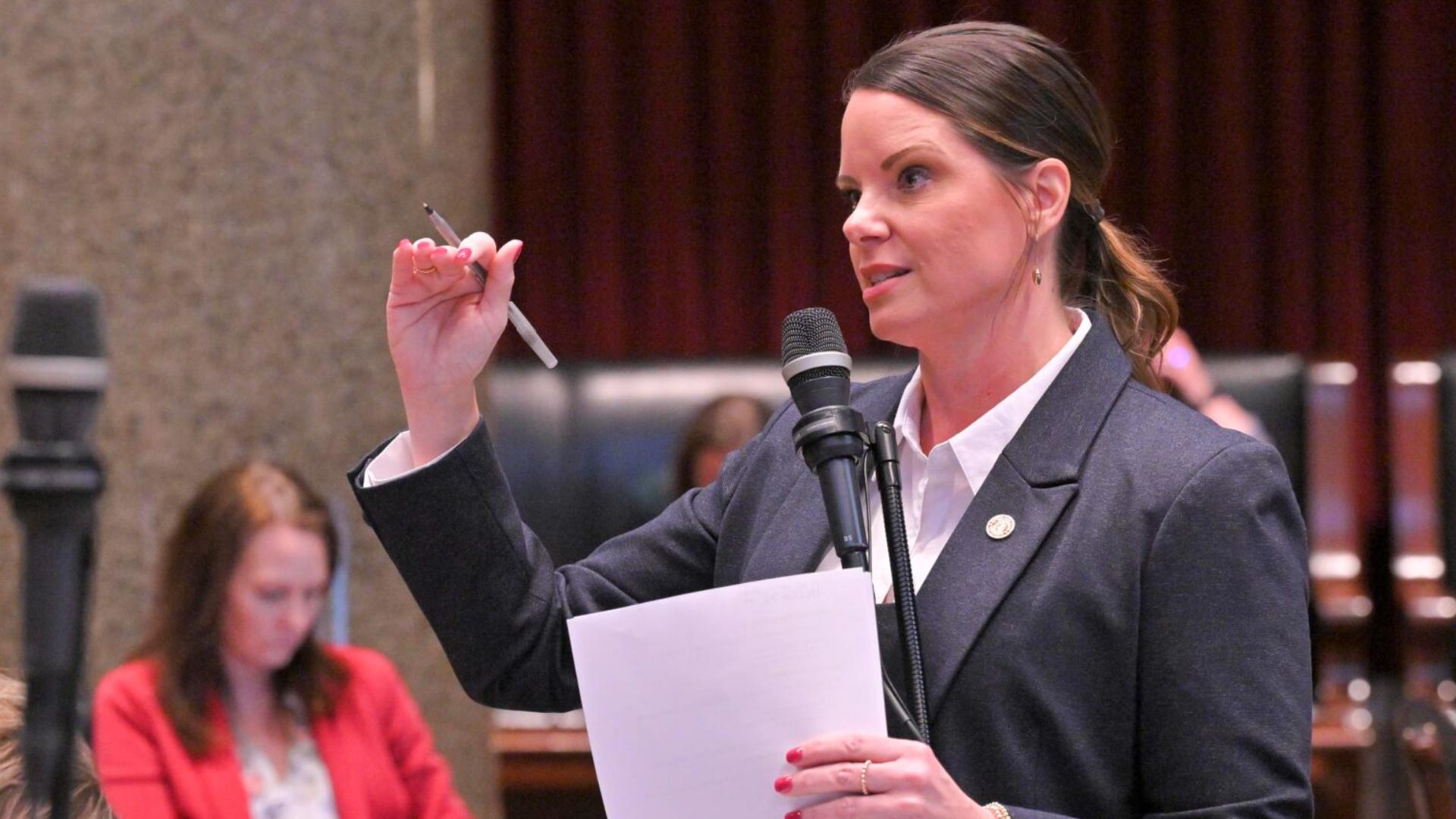
The Missouri House of Representatives passed the “Food is Medicine” proposal with strong bipartisan backing. The bill, introduced by Holly Jones, cleared the chamber with a 121-18 vote. A broader companion bill sponsored by Tara Peters also advanced with similar support.
The legislation directs the Missouri Department of Social Services to seek federal approval to implement the program through MO HealthNet.
What the ‘Food is Medicine’ Program Includes
If approved at the federal level, the initiative would allow healthcare providers to prescribe:
- Fresh fruits and vegetables
- Medically tailored meals
- Grocery support for chronic illness management
- Nutrition counseling services
Patients could redeem produce prescriptions at farmers markets, grocery stores, and mobile food markets.
Jones emphasized that the goal is not to control diets but to empower healthier choices.
Debate Over Supplements and Costs
The bill faced opposition after an amendment added coverage for vitamins and micronutrient therapies. Gregg Bush raised concerns about the lack of regulation in the supplement industry and argued against using taxpayer-funded Medicaid for such products.
The U.S. Food and Drug Administration does not pre-approve dietary supplements for safety or effectiveness, which fueled skepticism among some lawmakers.
Notably, the companion bill does not include supplement coverage.
Potential Benefits and Cost Savings
Supporters argue the program could both improve public health and reduce long-term healthcare costs. Research from Tufts University Food is Medicine Institute suggests:
- Produce prescriptions for diabetes patients could save the state up to $101 million over a decade
- Medically tailored meals could reduce healthcare costs by over $2,500 per patient annually
Concerns About “Double Dipping”
Some legislators questioned whether the program might overlap with existing benefits like the Supplemental Nutrition Assistance Program (SNAP).
George Hruza expressed concerns about recipients receiving multiple forms of food assistance. However, supporters argued the program is distinct because it combines medical guidance with nutrition access.
Jo Doll dismissed those concerns, saying increased access to healthy food should be encouraged.
Growing National Movement
The proposal aligns with a broader national trend integrating nutrition into healthcare. Several states, including Arkansas, Illinois, and Colorado, have already implemented similar programs with federal approval.
Next Steps
The program will move forward only if federal authorities approve the Medicaid waiver request. If implemented, officials estimate it could initially cost between $3.2 million and $3.4 million annually, with potential long-term savings.