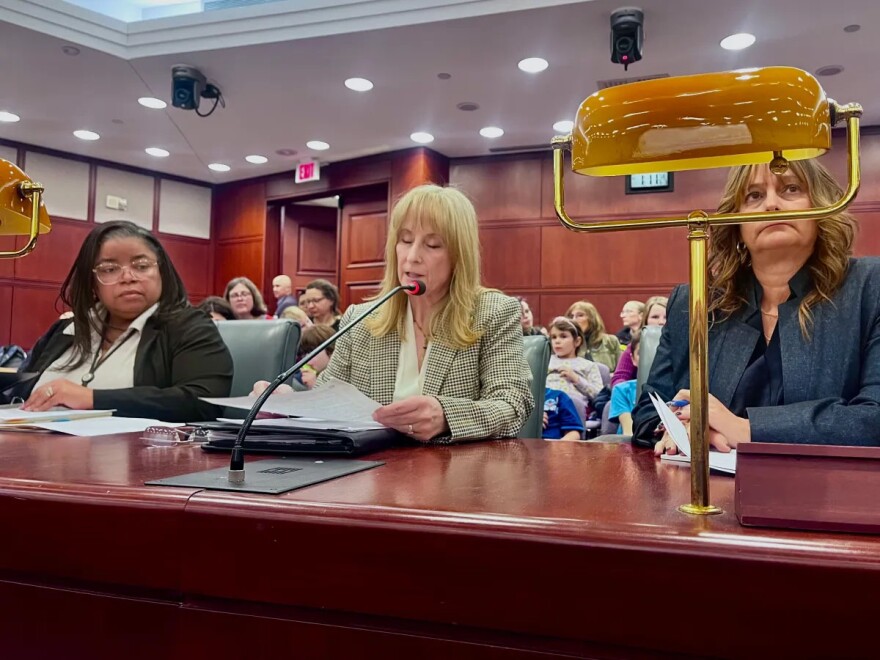
Calls for stricter homeschooling regulations are growing in Connecticut following the death of a 12-year-old girl in Enfield, but lawmakers and families remain divided on how to move forward.
Tragedy Sparks Policy Debate
The child, who was found dead at her home last month, had been withdrawn from public school in 2022 after her family said they would homeschool her.
The case marks the third similar incident in just over a year, intensifying concerns about oversight of homeschooling families across the state.
Lawmakers Push for Stronger Oversight
State Rep. John Santanella voiced support for increased oversight but said current proposals may go too far.
“I think the current legislation went a little too far,” Santanella said, suggesting revisions before any bill is finalized.
Meanwhile, Rep. Jennifer Leeper, co-chair of the Education Committee, is advocating for legislation requiring homeschooling families to demonstrate that children are receiving an education comparable to public schools.
Proposed Changes to Homeschooling Laws
Under current Connecticut law, families only need to notify local school districts of their intent to homeschool.
The proposed bill would introduce stricter requirements, such as:
- Demonstrating educational progress
- Providing evidence of instruction quality
- Offering multiple evaluation options, including portfolios or assessments
Supporters argue the changes are necessary to identify cases of neglect.
Opposition Focuses on Child Welfare System
Critics, including many homeschooling advocates, argue the issue lies not with homeschooling itself but with failures by the Department of Children and Families.
Some point out that the agency had prior involvement in similar cases but failed to prevent harm.
“DCF is supposed to do their job, and in these situations, they did not,” said one parent opposing the bill.
Concerns Over Government Overreach
Opponents also warn that increased oversight could infringe on parental rights and place unnecessary burdens on families.
Some advocate for alternative models, such as those used in Florida, where student progress is monitored more flexibly rather than enforcing strict equivalency with public schools.
Balancing Safety and Flexibility
Lawmakers remain divided on how to balance child safety with educational freedom.
Santanella expressed concern that gaps in oversight may allow some children to fall outside the view of mandatory reporters, while also cautioning against placing too much strain on local school systems.
Leeper emphasized that the goal is not to limit homeschooling but to ensure children are protected and receiving proper education.
Ongoing Debate
As the bill moves forward, discussions continue over how to refine the legislation to address safety concerns without overregulating families.
The outcome could reshape homeschooling policies in Connecticut as officials respond to recent tragedies.