
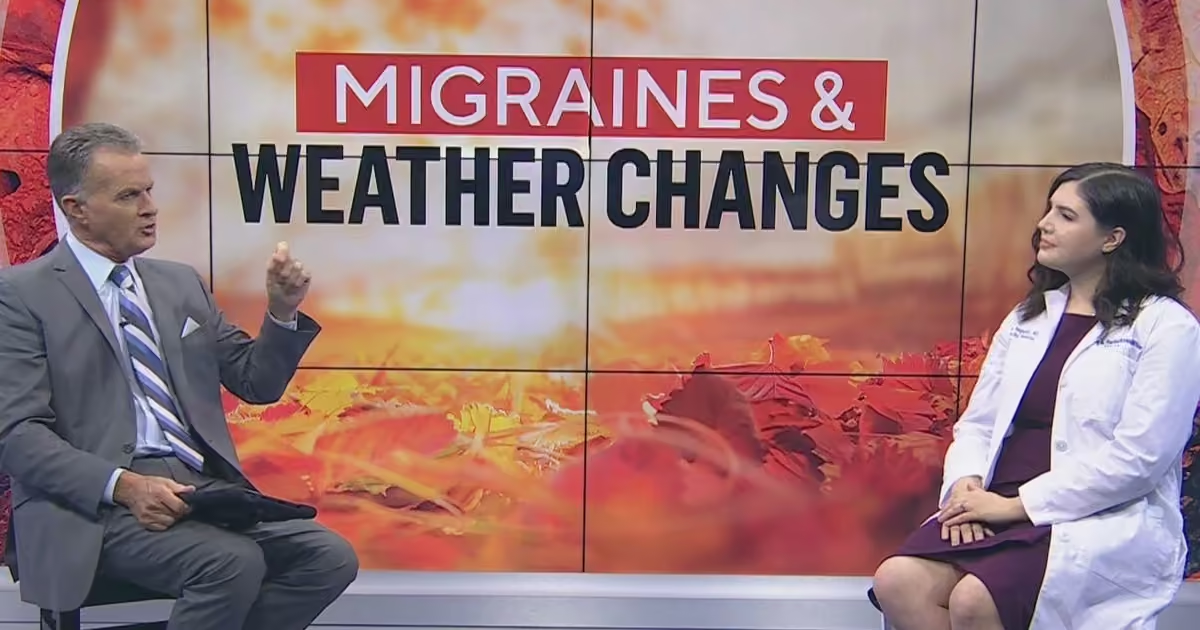
Many residents of North Texas are familiar with the sudden onset of migraines, and emerging evidence suggests that shifting weather patterns may play a significant role in triggering these debilitating episodes. Dr. Avery Saporito, a headache medicine neurologist with Baylor Scott & White, has shed light on the complex relationship between environmental changes and migraine onset, offering valuable insights for those who suffer from this condition.
According to Dr. Saporito, several weather-related factors can contribute to the development of migraines. Rapid temperature fluctuations, a common occurrence in North Texas, can place considerable stress on the body’s regulatory systems, potentially setting off a migraine episode. Similarly, drops in barometric pressure , often associated with incoming storm systems , have been identified as a notable trigger for many migraine sufferers.
Beyond temperature and pressure changes, seasonal allergies represent another environmental factor that can heighten migraine susceptibility. When allergens are present in the air, the resulting inflammation and sinus congestion can create conditions that are conducive to migraine development. This is particularly relevant for North Texans, given the region’s high pollen counts during certain times of the year.
Dehydration is an additional concern that often accompanies weather changes, particularly during periods of elevated heat. Insufficient fluid intake can increase the likelihood of a migraine occurring, making proper hydration a critical preventive measure for those who are prone to these headaches.
Dr. Saporito emphasizes the importance of proactive management when it comes to weather-related migraine triggers. Individuals are encouraged to monitor weather forecasts closely, maintain consistent hydration, manage allergy symptoms effectively, and consult with a healthcare professional to develop a personalized plan for reducing the frequency and severity of migraine episodes before the next headache strikes.