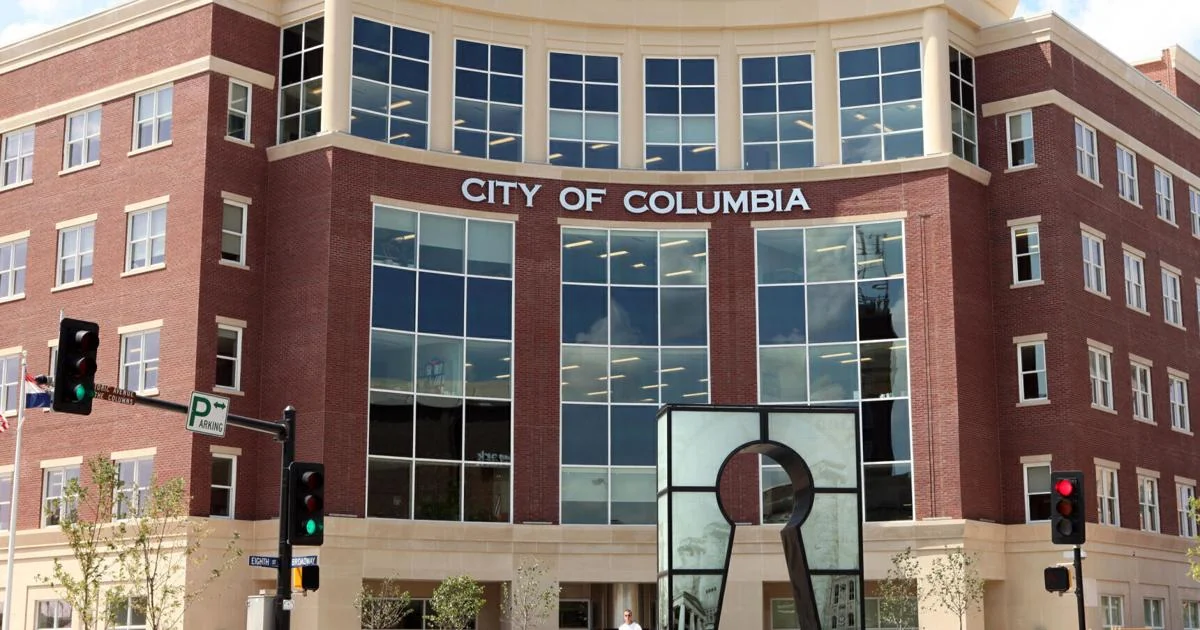
During Monday night’s extended regular meeting, the Columbia City Council approved a motion to identify and evaluate potential alternatives to Flock cameras.
Columbia’s contract with Flock Safety is set to expire in March 2027 and will not be renewed, following a special meeting on November 9 in which the council voted 5-2 against its renewal.
The motion, forwarded by Mayor Barbara Buffaloe, came in response to remarks made by Nickie Davis, executive director of the Downtown Community Improvement District, who spoke on behalf of downtown businesses regarding the safety benefits the camera systems have provided.
“We’ve seen the results the Flock cameras have produced for us in the crimes that have happened in our downtown area, and it would just be a staggering difference to see in March of next year, when this program will go away without anything taking its place,” Davis said.
As discussions around the possibility of implementing an alternative system unfolded, several council members expressed hesitation toward adopting technology that might closely resemble the Flock camera system.
“As we move forward, I would want to see something that is significantly different from Flock in its operation, and then its storage of data,” said First Ward council member Valerie Carroll.
Fifth Ward council member Christina Hartman echoed Carroll’s concerns, expressing reservations about surveillance technology and its implications for privacy, while remaining open to exploring available alternatives.
Sixth Ward council member Betsy Peters, who had voted against the cancellation of the Flock cameras contract, reaffirmed her support for establishing a security alternative in the downtown area.
“I do think that we need downtown cameras, or we need some security,” she said. “I’m sorry to say that, but I do think we need to look at that.”
The council did not establish a deadline by which city staff must return with proposed alternatives to the Flock camera system.
Transmission line
The central focus of Monday’s meeting was a discussion surrounding the longstanding project to construct a 161-kilovolt transmission line between the Perche Creek and Grindstone Substations.
Following more than two hours of public comment from residents both in support of and in opposition to the project, the City Council voted unanimously to authorize the Columbia Utilities Department to engage an engineering firm to develop a final design for the transmission line’s route.
Returning to the subject of the transmission line during closing statements, Fourth Ward council member Sharon Geuea Jones introduced a motion requesting a comprehensive report on the project from city staff.
“I move to request that staff provide a full report, including lessons learned over the last 12 years of this process, an accounting of the work they did to explore the adoption of connecting the Perche Creek substation to the McBaine substation and why other options were rejected,” she said.
The council approved Jones’ motion; however, no deadline was established for when city staff must deliver the report.
Downtown safety
The council unanimously approved an agreement between the city and the Missouri Department of Public Safety to accept state grant funding designated for public safety initiatives in downtown Columbia.
The funds are allocated exclusively for Department of Public Safety-approved initiatives within the improvement district. Columbia Police Chief Jill Schlude indicated that she and Columbia Fire Chief Brian Schaeffer had agreed to direct the funds toward a barricade system for use during special events.
The city is set to receive $970,000 in grant funds, though both Chief Schlude and Mayor Buffaloe noted that the barricade system would likely require additional funding beyond what the grant provides.
Violence prevention
Also unanimously approved on Monday night was the creation of a new program coordinator position within the Office of Violence Prevention.
According to a council memo, the new role is intended to reduce violence and support affected individuals by fostering community partnerships and coordinating specialized service delivery.
The position will additionally involve analyzing and summarizing data to strengthen community response efforts and connect high-risk communities with appropriate support systems.
Eligible candidates are required to hold a bachelor’s degree in social work, sociology, criminal justice, public administration, or a related field, along with three to five years of experience in violence prevention, community affairs, or social services.