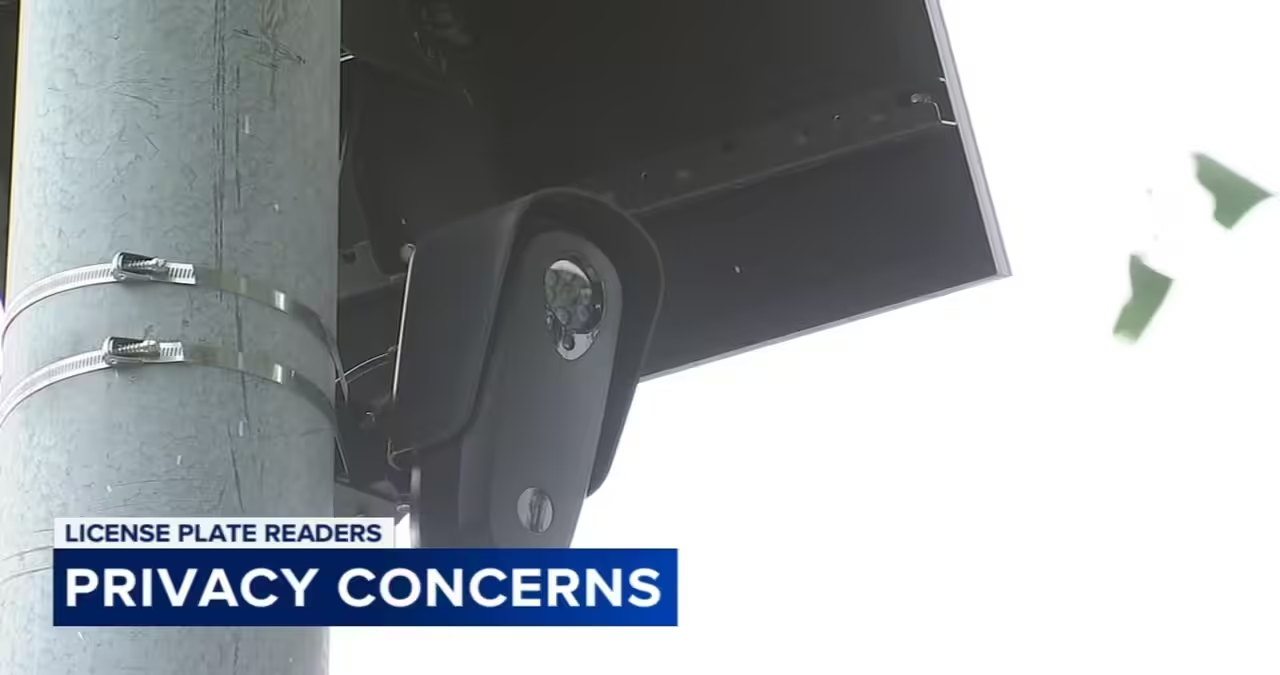
WILMINGTON, Del. (WPVI) — Four Flock license plate reader cameras in Wilmington, Delaware, have been taken out of service by city officials, even as other agencies across the region keep using the technology to aid criminal investigations.
Flock Safety ranks among the largest and most widely used license plate reader companies in the country.
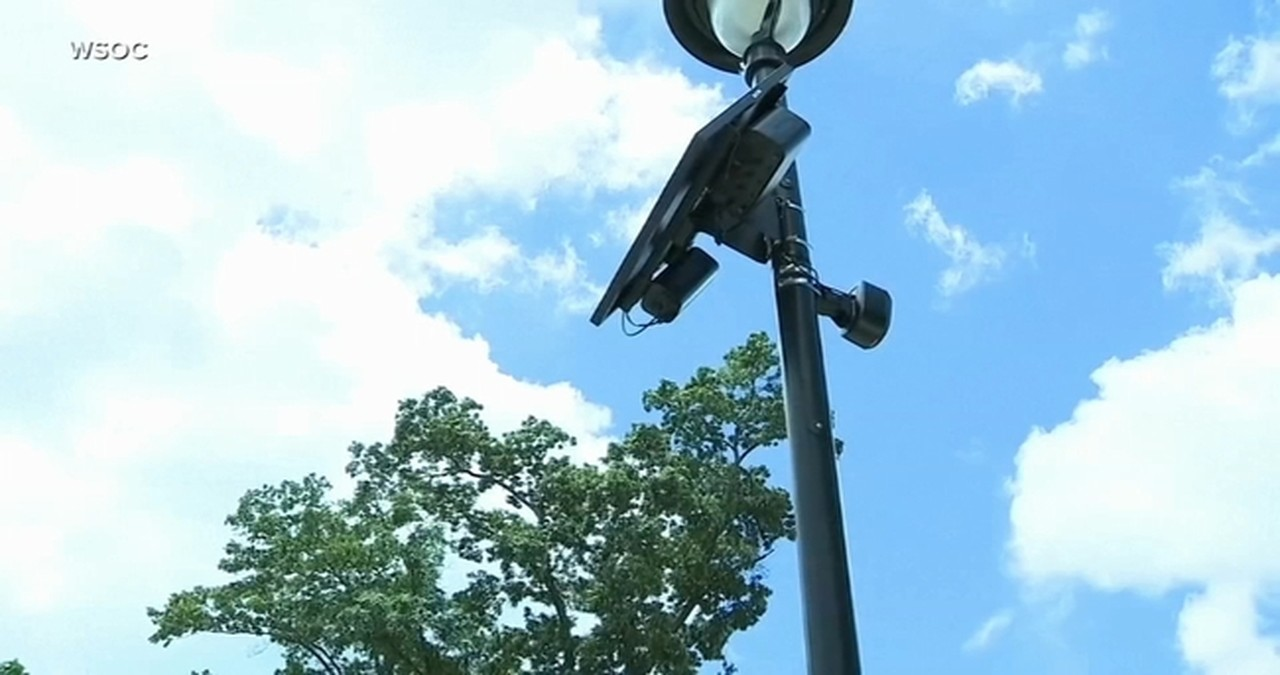
The city made its decision against a backdrop of continued debate over automated license plate readers, which law enforcement relies on to track suspects, stolen vehicles and missing persons.
Because the cameras continuously capture images of passing vehicles, some drivers express concern about how much information is being gathered.
“I have a concern about invasion of privacy,” said Kia, a New Castle County resident. “I’m kind of on the fence, though. I do believe in following the rules. I do believe in safety. But it’s like a fine line. I really don’t know exactly how I feel about that. I need to do more research.”
“It can go both ways, said Alberta Bowers of Wilmington. If they’re using it to solve crimes, I applaud them. I would like that.”
As the national discussion over Flock cameras expands, some officials in the Philadelphia region are responding.
Privacy advocates, including Mike Brickner, executive director of the ACLU Delaware chapter, praised Wilmington’s decision to discontinue use of the Flock cameras.
Wilmington, however, still relies on license plate readers supplied by other vendors.
“In a lot of cities there might be dozens or more of these cameras, and so if you’re just driving around on a single day, it’s going to track every single one of your movements, and that all goes together into one database. That is a very scary thing,” he said.
A nonprofit called the Delaware HELP Initiative donated the cameras to the city in 2023. In a statement provided to Action News, the mayor’s office said the city is removing the devices “because we are not in control of how they share data, and we do not have a contract with them.”
Flock Safety responded with its own statement, saying, “We respect Wilmington’s decision to evaluate public safety technology based on its policies and community priorities. When a tool that is actively helping solve violent crimes is removed, public safety moves backward. That has real consequences: cases will take longer to solve, organized retail theft crews will operate with fewer obstacles, an Amber Alert may not be returned home, and victims may wait longer, or indefinitely, for justice.”
In New Castle County, police operate 14 Flock cameras and describe them as a game-changer in solving cases.
Master Cpl. Richard Chambers said the system helped officers locate a carjacking suspect in Newark in March.
“One of the officers was able to, using the Flock system, was able to place the vehicle in the vicinity of the Christiana Mall. He patrolled Christiana Mall and was able to locate the stolen vehicle from a Flock hit,” Chambers said.
He also cited a robbery arrest in April that came about because of Flock cameras and said there are many more examples.
A supervisor monitors the activity, he added.
Abuse has surfaced in other places, however. Last week, a North Carolina police officer was charged after allegedly using Flock cameras to track her boyfriend’s ex-wife.
Flock Safety said the platform includes tools designed to flag abnormal search activity and detect misuse, noting that every search is recorded in an audit trail.
“It’s a disappointing story when I see it, but I also go, look – this is working,” said Garrett Langley, Flock Safety’s CEO. “This is showing that if you use a tool like Flock or other tools, you should be held accountable regardless of whether you have a badge or you don’t.”
A company spokesperson said the cameras capture only still images of vehicles and license plates, not faces, and that individual agencies control their own data.
Access is restricted to authorized users, searches must include documented justification, and data is automatically deleted after 30 days unless an agency sets a different retention period “consistent with applicable law and policy.”
Privacy advocates say stronger protections are still needed. Brickner said the ACLU acknowledges the technology can serve as a valuable crime-fighting tool but wants more regulation.
“We oftentimes can’t stop the drumbeat of technology. People are always gonna innovate; there’s gonna be new tools out there. But we have to make sure that we have the protections in place to ensure that our rights aren’t trampled on,” he said.
Flock Safety said it “strongly supports” legislation to establish safeguards around license plate reader technology.