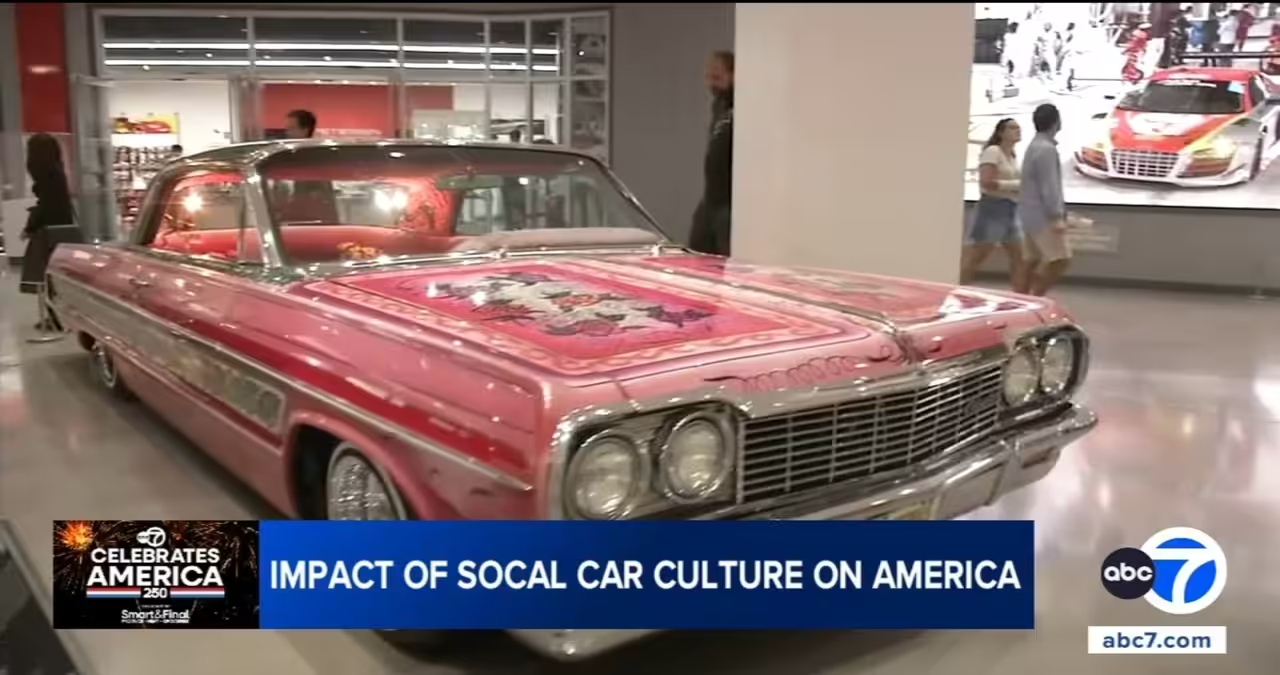
Southern California’s car culture deserves a place on any list of distinctly American traditions, particularly when it comes to vehicles modified by enthusiasts.
“That’s the hot rod way. You take something that works okay, and then you make it the best it could possibly be,” said David Kennedy, a board member at the NHRA Motorsports Museum in Pomona, which celebrates the car culture of the West Coast.
The roots trace back to young servicemen who settled in the region after World War II. Many found good jobs, carried optimism and brought a strong spirit to create and compete.
“Expressing themselves. It looked beautiful, it went fast, and then they continued to go as fast as they could figure out,” Kennedy said about the early days of drag racing competition.
Building custom cars to turn heads on the street became as important as outright speed.
Hot rods, customs and lowriders represent expression on four wheels. The proliferation of specialty magazines such as Hot Rod helped spread the movement. Features on wild creations reached mailboxes and newsstands nationwide, introducing regional trends to like-minded young enthusiasts across the country.
Southern California car culture spread somewhat organically, but it also received a major boost from the region’s entertainment industry. Movies and television shows became natural outlets to display modified cars. From sitcoms to feature films, countless rides showcased the scene to a national audience, delivering exposure for both the automakers and the filmmakers.
“Speed, beauty, and accessibility , cars are a device that brings people together,” Kennedy said.
The Beach Boys, known for celebrating surf culture, also wove car culture into several of their hit songs, from “Little Deuce Coupe” to “409.”
Americana comes in many forms. California car culture stands alongside baseball and apple pie for anyone who appreciates power and beauty, according to those who study the scene.
“It’s inclusive, not exclusive. So you can participate with it, at any level, at any location, and it does, it communicates across and around the world,” Kennedy said.